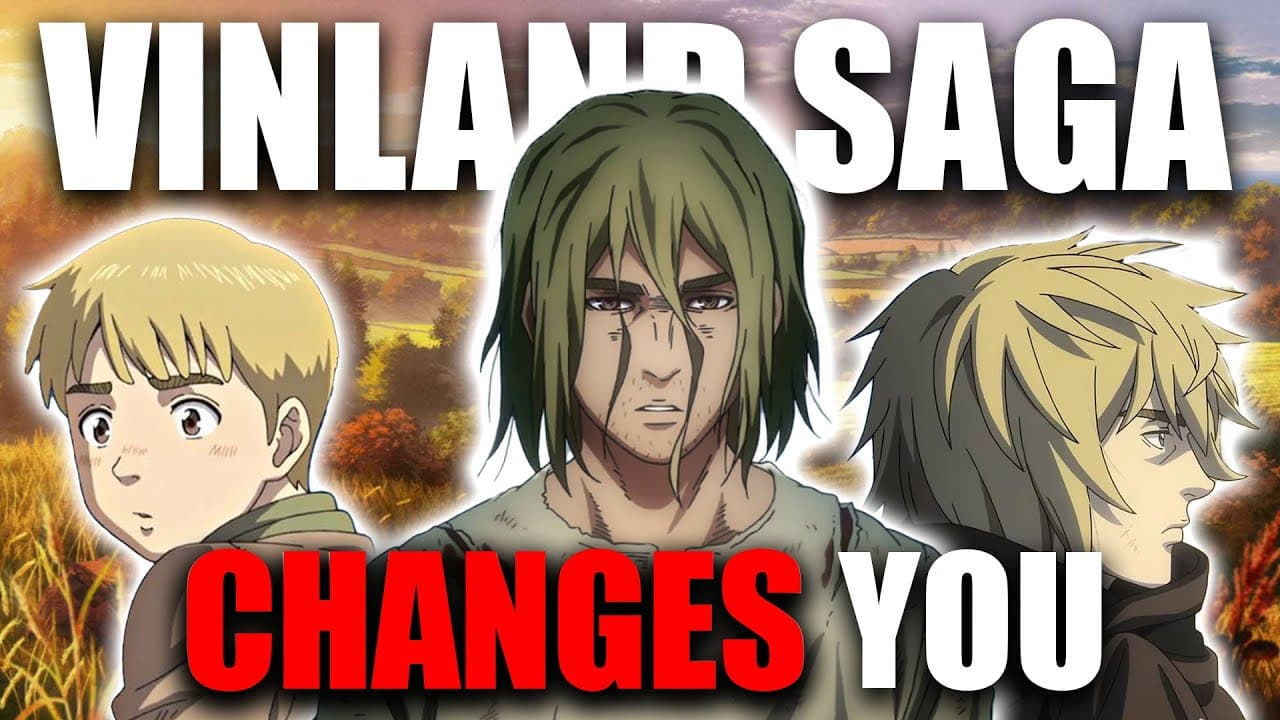
Vinland Saga Review — The Anime That Quietly Changed Everything
I went into Vinland Saga expecting a cool Viking action anime. Brutal fights, epic battles, a hero on a path of revenge. And Season 1 delivers exactly that — beautifully animated combat, an incredible villain in Askeladd, and a protagonist whose rage you completely understand.
Then Season 2 happened. And everything I thought the show was about turned out to be wrong.
What Vinland Saga Is Actually About
On the surface: Thorfinn is a young Viking warrior who witnessed his father's murder and devoted his entire life to revenge against the man responsible — Askeladd, a mercenary commander who now employs Thorfinn as a soldier.
But Vinland Saga is really a meditation on violence. On what it does to people. On whether a person who has only ever known war can find peace. And on the question its title hints at from the very beginning: what does it mean to find a true home?
Thorfinn's father, Thors, was once the greatest warrior in the Viking world. He walked away from all of it. His parting philosophy to his son — "you have no enemies" — is the thesis statement of the entire series. Thorfinn doesn't understand it in Season 1. Season 2 is him beginning to understand.
Season 1 — The Setup Is Masterful
WIT Studio animated Season 1, and the production quality shows. Battle sequences are fluid and kinetic, with a weight to every blow that makes combat feel genuinely dangerous. The Normans invading England, the political scheming between Danish factions, the brutality of the Viking world — it's all rendered with care.
But the real achievement of Season 1 is Askeladd.
He is one of the greatest antagonists in anime history. Complex, intelligent, morally ambiguous in ways that keep you guessing until the very end. He knows exactly what he's doing and why, and his relationship with Thorfinn is simultaneously exploitation and something that almost resembles reluctant mentorship.
The finale of Season 1 is one of the most shocking, emotionally devastating moments I've seen in anime. It recontextualises everything that came before.
Season 2 — The Bravest Creative Decision in Modern Anime
Here is where Vinland Saga lost some viewers and became a masterpiece for others.
Season 2 slows down dramatically. Thorfinn, broken by the events of Season 1's finale, is now a slave on a farm in Denmark. There are almost no fights for the first half of the season. The most dramatic moments involve farming, conversations, and the internal struggle of a man trying to reconnect with his humanity.
I've seen people call Season 2 boring. I think those people were watching a different show than I was.
What Wit and then MAPPA accomplished in Season 2 is almost unheard of in shonen anime: they depicted recovery. Real, slow, painful recovery. Thorfinn doesn't get better because a battle forces him to. He gets better through labor, through relationships, through the patient influence of people who've chosen peace.
Einar, the fellow slave who becomes Thorfinn's closest friend, is one of the best new characters introduced in any Season 2 of any anime. His warmth and decency serve as a mirror for everything Thorfinn has lost.
The Violence Conversation
Vinland Saga is more critical of violence than almost any action anime I can name. It shows combat unflinchingly, but it never glorifies it. Every fight has consequences. Every death leaves something broken in its wake.
In an era where anime often uses violence as spectacle — not morally, just aesthetically cool — Vinland Saga takes the opposite approach. The show wants you to feel the cost.
Verdict
Season 1: 9.5/10 — An exceptional action drama with one of anime's best villains. Season 2: 10/10 — A genuinely courageous piece of storytelling that rewards patience. Overall: 9.5/10
Vinland Saga is not for everyone. If you want constant action, Season 2 will frustrate you. But if you want an anime that takes its characters seriously, that asks real questions about what violence costs us, and that ends up being about something genuinely worth thinking about —
There's nothing else quite like it.
Comments (0)
Join the conversation
No comments yet. Be the first!